Multiplayer AI: what changes when a whole team works with agents
Google Docs beat Word by going multiplayer. Figma beat Photoshop. AI has not had that moment yet, and the missing piece is not shared context. It is shared control.
Essays on multiplayer AI, governance, approvals, auditability, and how teams adopt agents they can trust.
Editorially prioritized essays for readers who want the fastest route into governed AI execution.
Google Docs beat Word by going multiplayer. Figma beat Photoshop. AI has not had that moment yet, and the missing piece is not shared context. It is shared control.
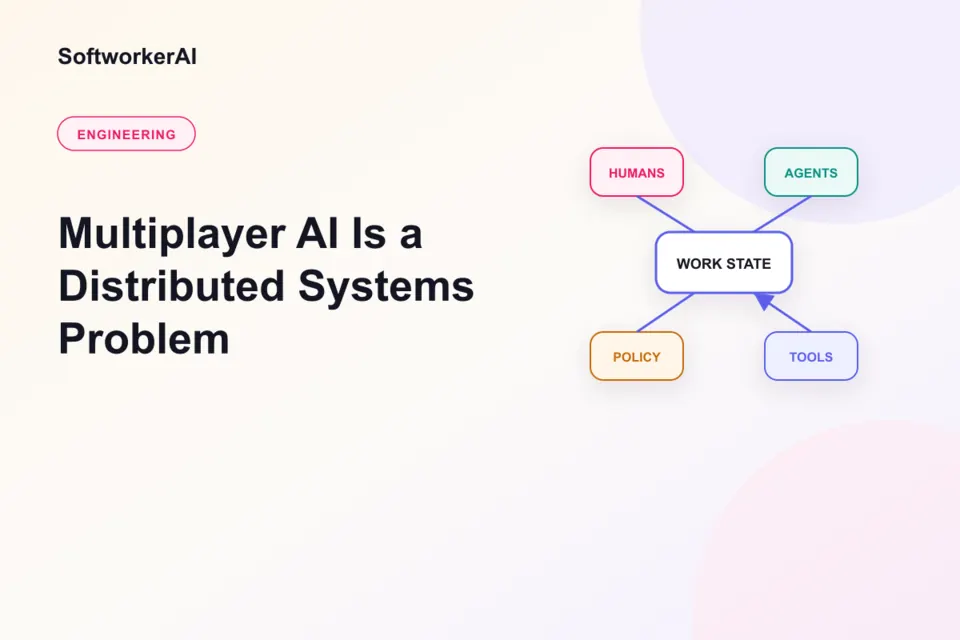
A principal architect’s guide to state, failures, retries, and consistency when humans and AI agents work together.
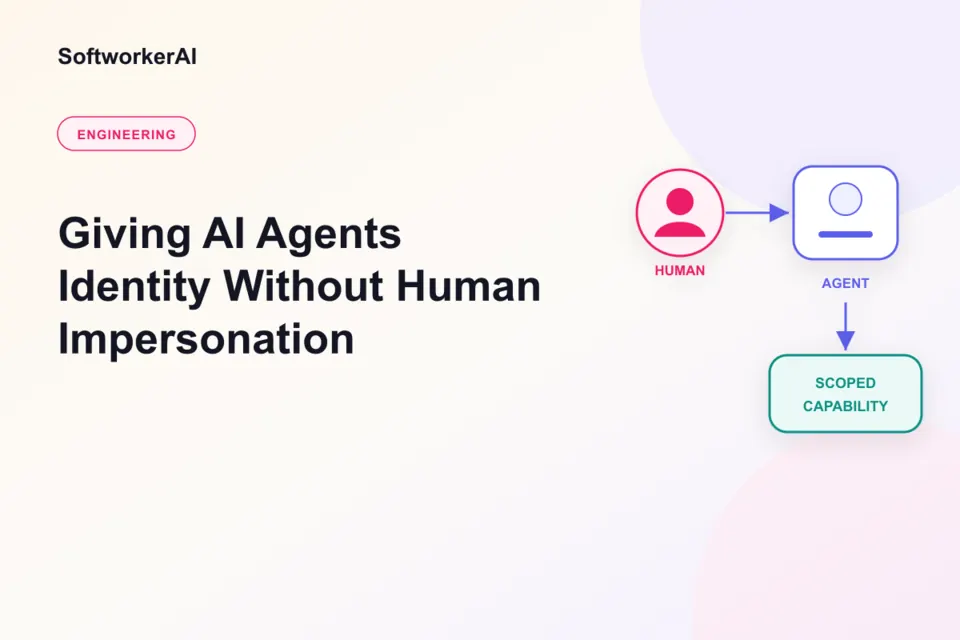
How to design agent identity, delegation, authorization, and credentials without turning automation into invisible impersonation.
Newest articles first, ranked by publish date.
A2A could turn isolated AI agents into a composable enterprise workforce. The value lies in lower integration costs, broader choice, and end-to-end execution.

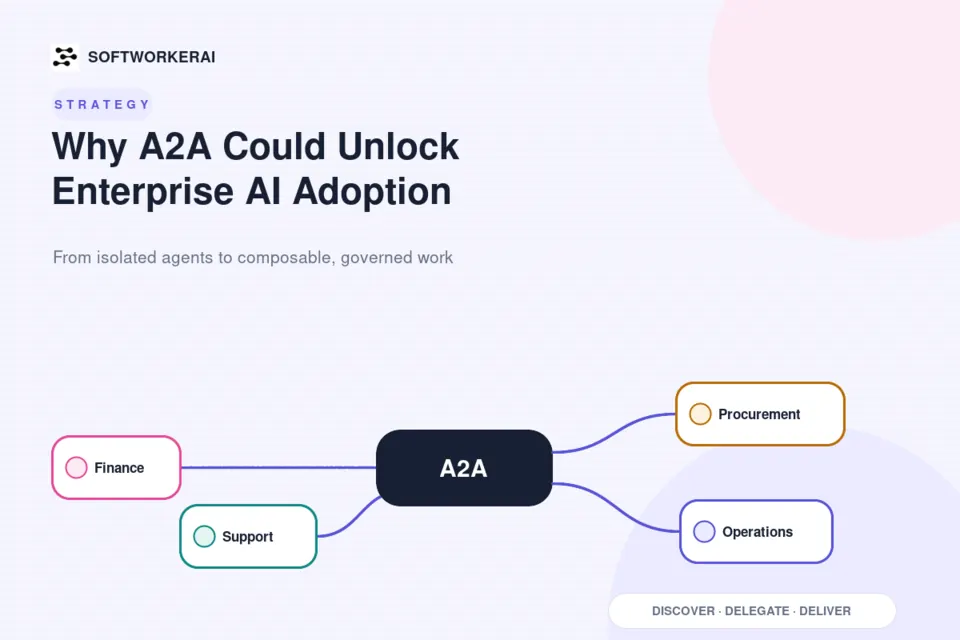
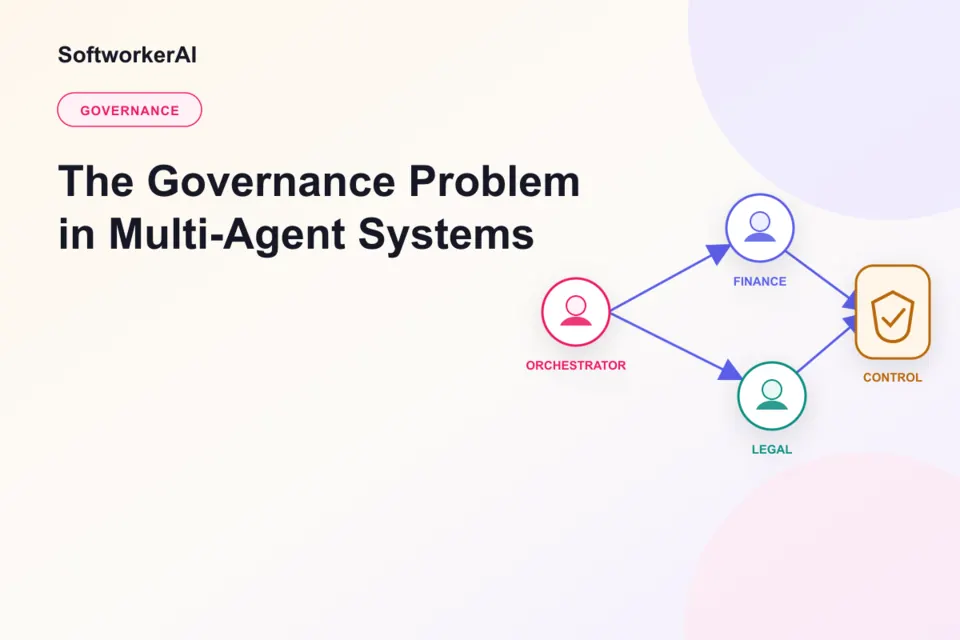
Multi-agent systems distribute responsibility across a network. Governed execution keeps authority, evidence, approvals, and accountability intact as work moves.
Invoice processing is high volume, rule-bound, and unforgiving of errors. A governed AI agent can read, match, and code invoices while routing every payment decision to a person.

Small teams have the most to gain from AI agents and the least room for a mistake. Governed AI gives a lean business the leverage of automation without giving up oversight.

Expense reports are repetitive, rule-bound, and easy to get wrong. A governed AI agent can read receipts, apply policy, and route the judgment calls to a human, while recording every step.
No articles match your search. Try a different term or tag.