
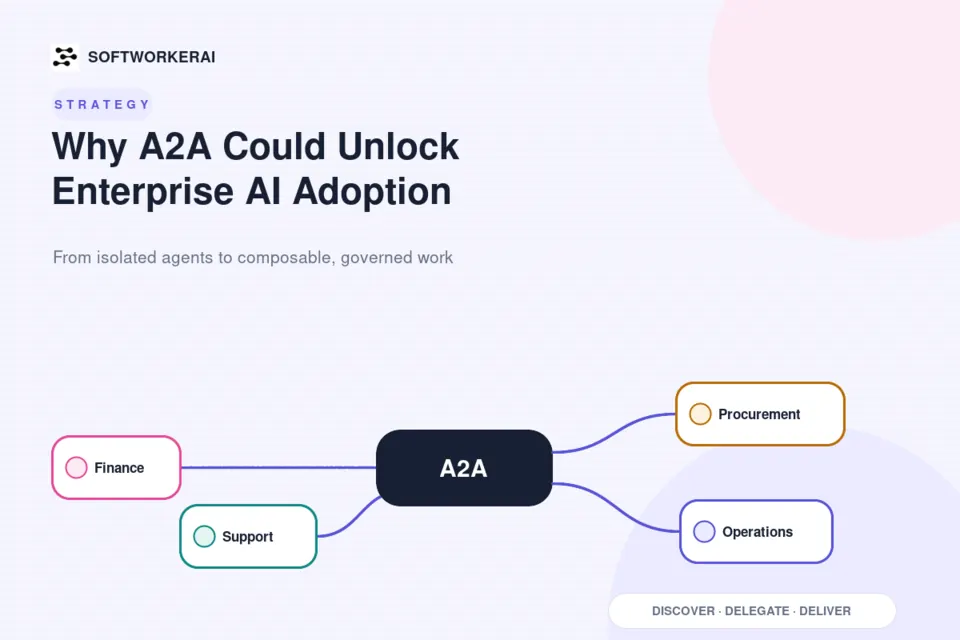
Why A2A Could Unlock the Next Wave of Enterprise AI Adoption
A2A could turn isolated AI agents into a composable enterprise workforce. The value lies in lower integration costs, broader choice, and end-to-end execution.

10 articles, newest first.
A2A could turn isolated AI agents into a composable enterprise workforce. The value lies in lower integration costs, broader choice, and end-to-end execution.
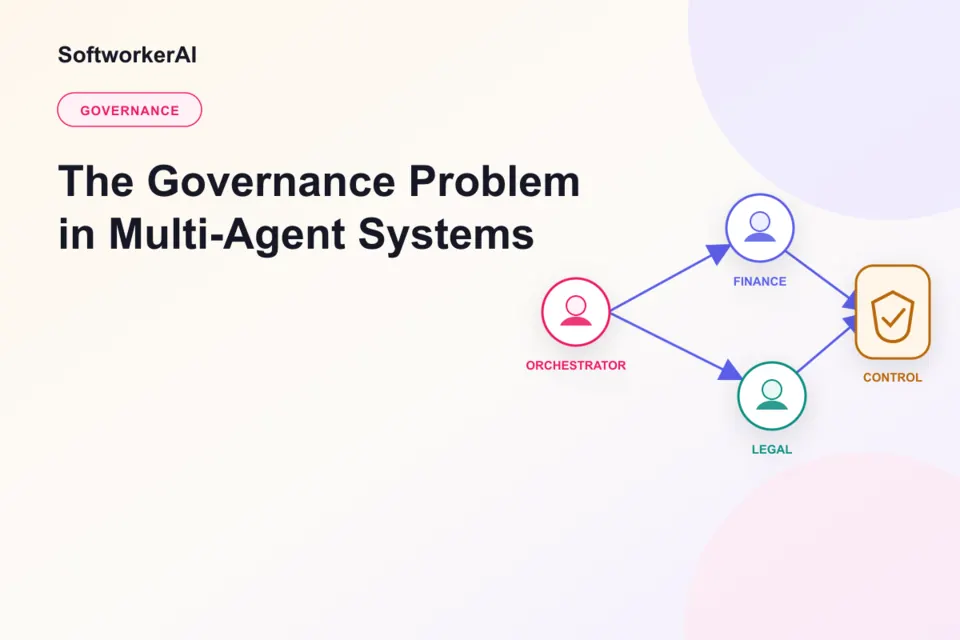
Multi-agent systems distribute responsibility across a network. Governed execution keeps authority, evidence, approvals, and accountability intact as work moves.
The honest answer to whether AI agents are safe is: only when they are governed. Scope, approvals, and audit trails are what turn an autonomous agent into one you can trust.
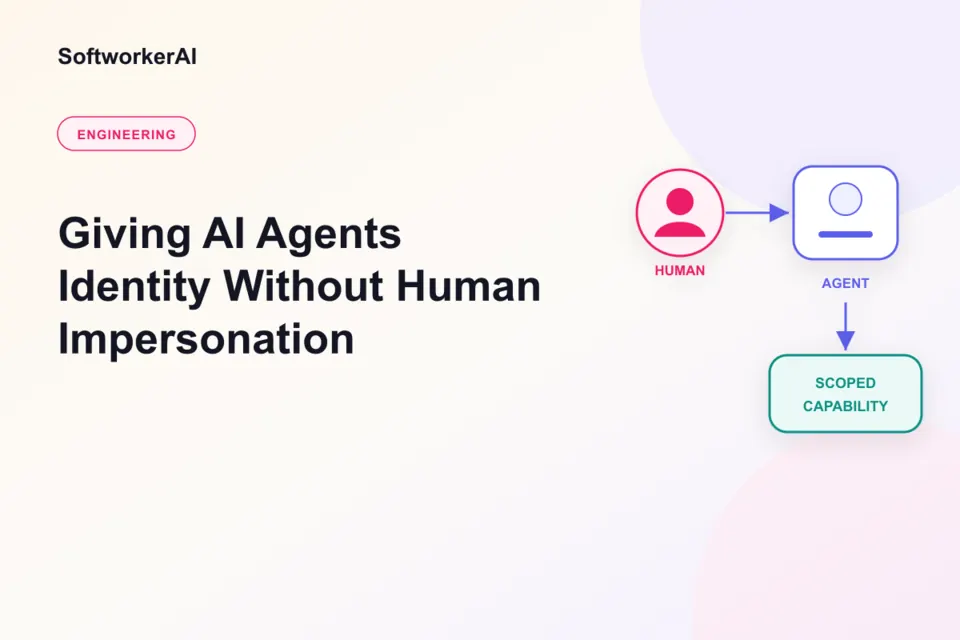
How to design agent identity, delegation, authorization, and credentials without turning automation into invisible impersonation.
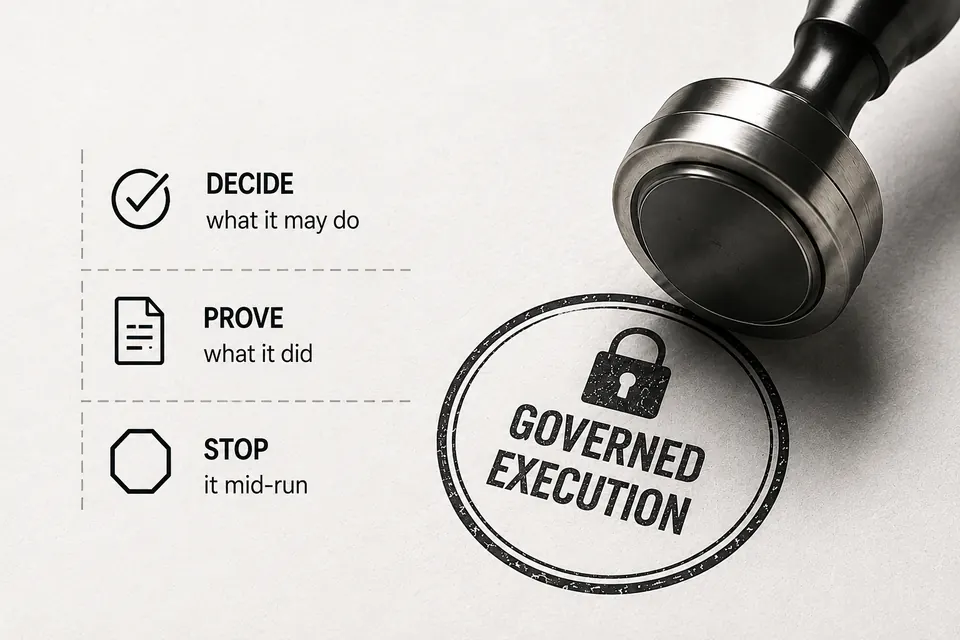
Open protocols are solving how agents reach tools. The harder problem is deciding what an agent may do, proving what it did, and stopping it mid-run. Here is how we think about that.

The jump from AI assistance to AI execution is not a model problem alone. It is an operating model problem: who owns the work, what systems can be touched, and how every action is reviewed.
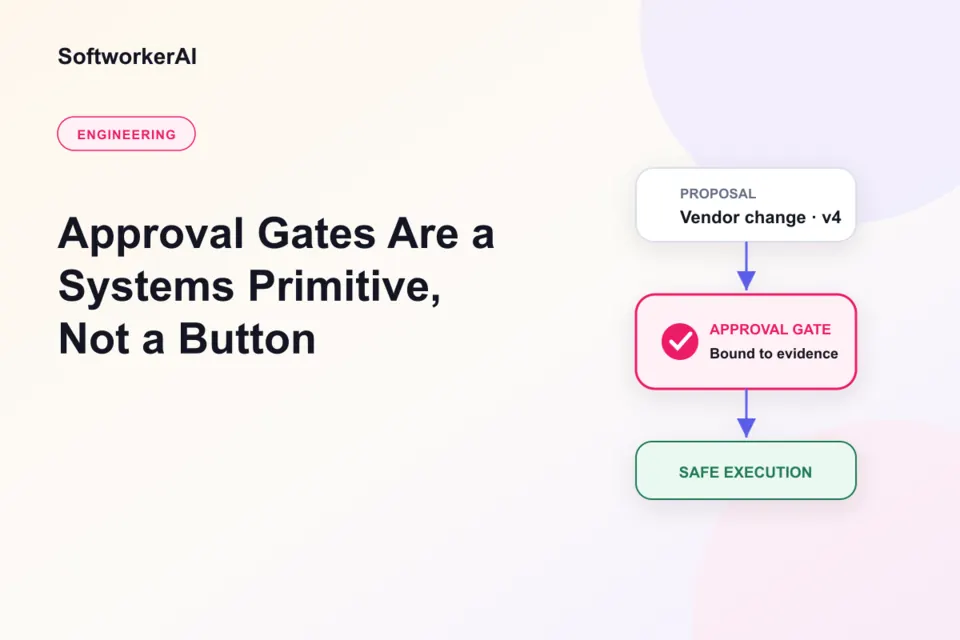
The engineering behind approval gates: suspension, evidence, expiry, revalidation, revocation, and safe continuation.
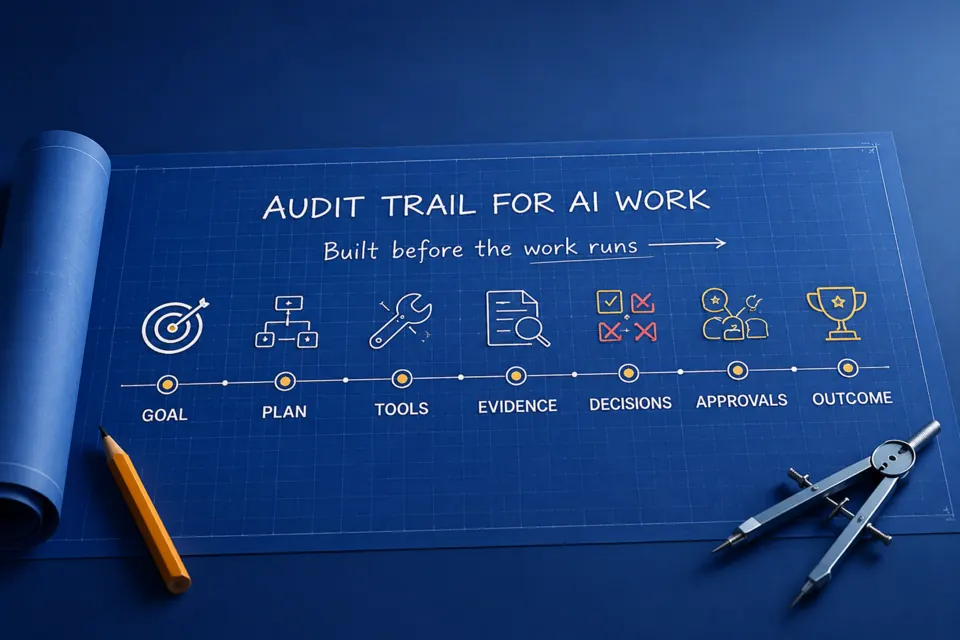
An audit trail is not a transcript dump. For autonomous AI work, it should show the goal, plan, tools, evidence, decisions, approvals, and final outcome in a way humans can reconstruct.
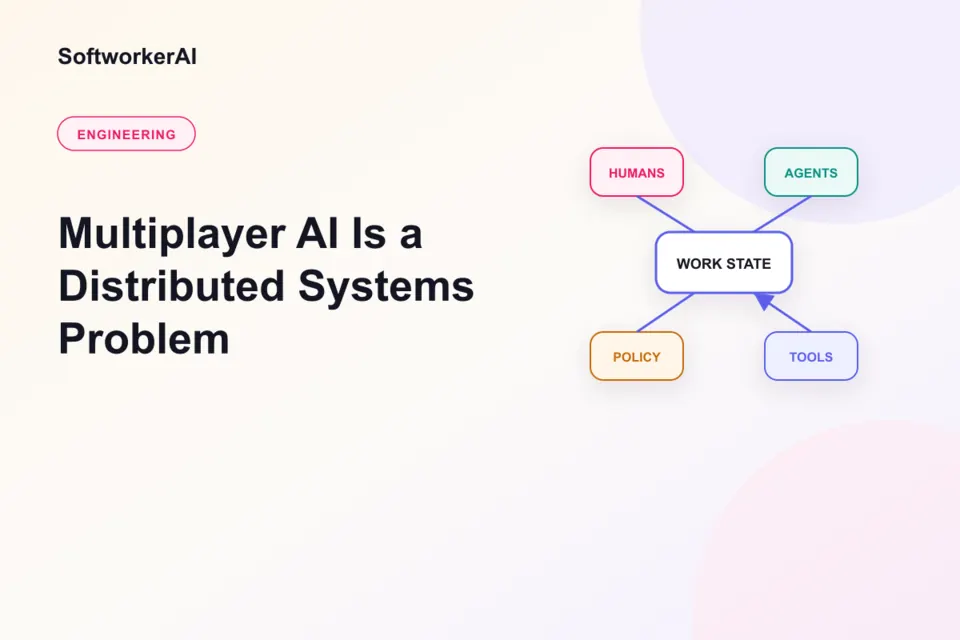
A principal architect’s guide to state, failures, retries, and consistency when humans and AI agents work together.
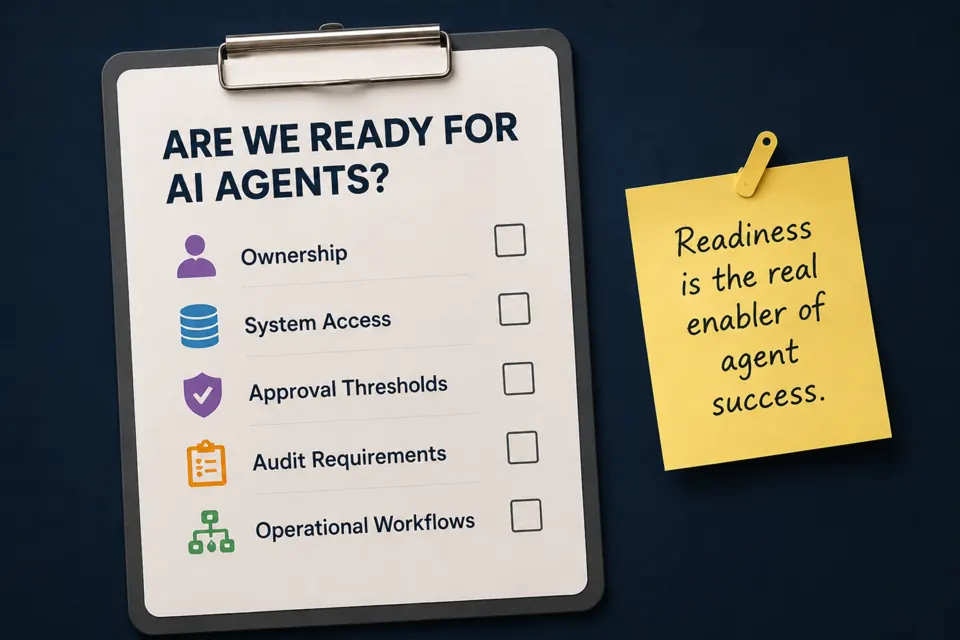
A readiness checklist for teams evaluating AI agents: start with ownership, system access, approval thresholds, audit requirements, and the operational workflows where autonomy is actually useful.