
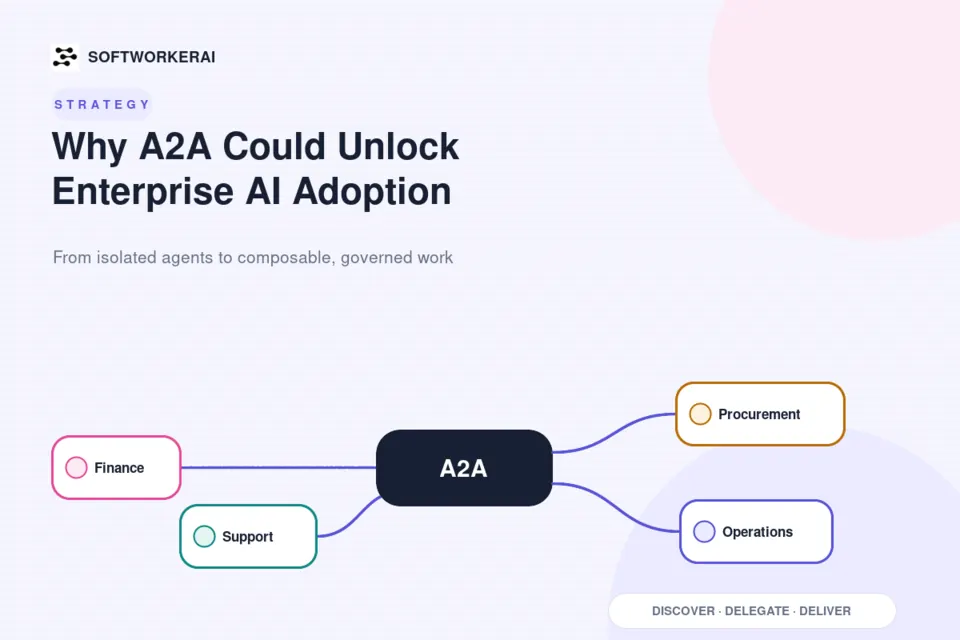
Why A2A Could Unlock the Next Wave of Enterprise AI Adoption
A2A could turn isolated AI agents into a composable enterprise workforce. The value lies in lower integration costs, broader choice, and end-to-end execution.
16 articles on this topic.
A2A could turn isolated AI agents into a composable enterprise workforce. The value lies in lower integration costs, broader choice, and end-to-end execution.
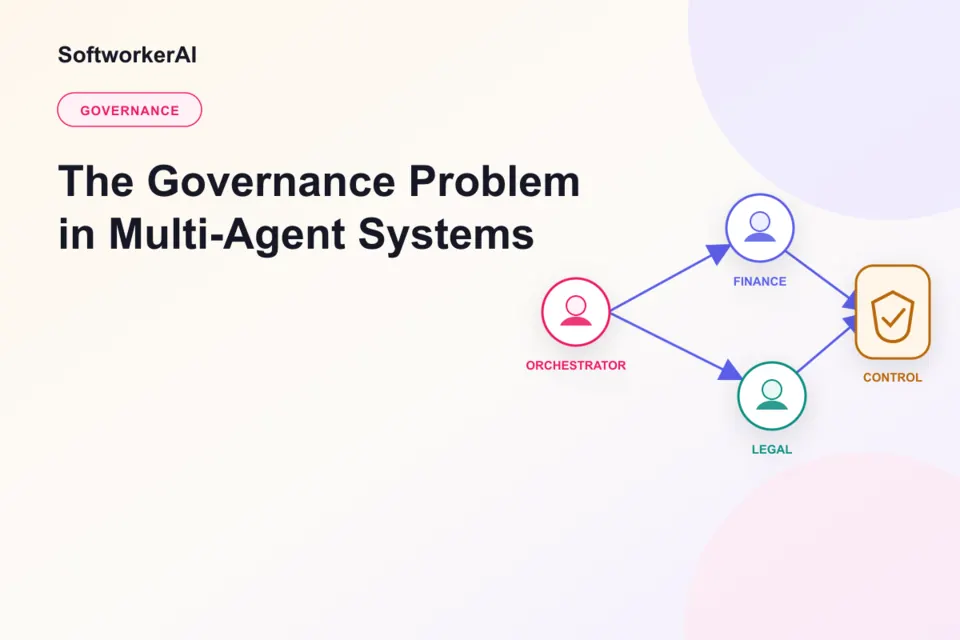
Multi-agent systems distribute responsibility across a network. Governed execution keeps authority, evidence, approvals, and accountability intact as work moves.
Invoice processing is high volume, rule-bound, and unforgiving of errors. A governed AI agent can read, match, and code invoices while routing every payment decision to a person.
Small teams have the most to gain from AI agents and the least room for a mistake. Governed AI gives a lean business the leverage of automation without giving up oversight.
Expense reports are repetitive, rule-bound, and easy to get wrong. A governed AI agent can read receipts, apply policy, and route the judgment calls to a human, while recording every step.
Adding an assistant to a chat window does not make a workspace where humans and AI agents work together. Six design decisions do, and most of them are about control rather than capability.
The honest answer to whether AI agents are safe is: only when they are governed. Scope, approvals, and audit trails are what turn an autonomous agent into one you can trust.
Support is more than answering questions. A governed AI agent can triage, draft, and resolve routine tickets while keeping a person on refunds, escalations, and anything sensitive.
Three very different products are sold under the same name. Only one of them is somewhere a team can actually work, and six questions tell you which is which.
Google Docs beat Word by going multiplayer. Figma beat Photoshop. AI has not had that moment yet, and the missing piece is not shared context. It is shared control.
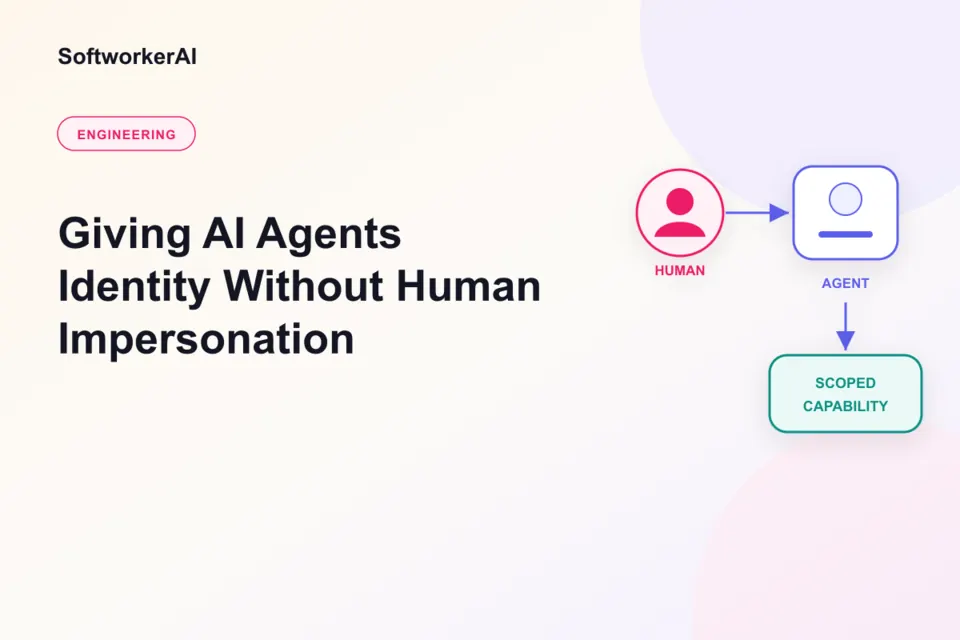
How to design agent identity, delegation, authorization, and credentials without turning automation into invisible impersonation.
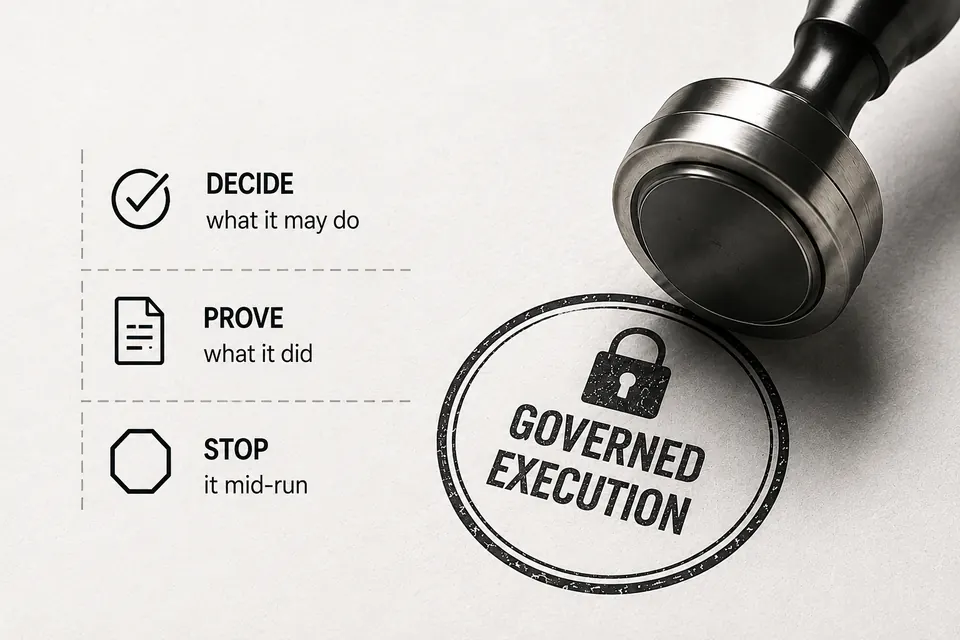
Open protocols are solving how agents reach tools. The harder problem is deciding what an agent may do, proving what it did, and stopping it mid-run. Here is how we think about that.
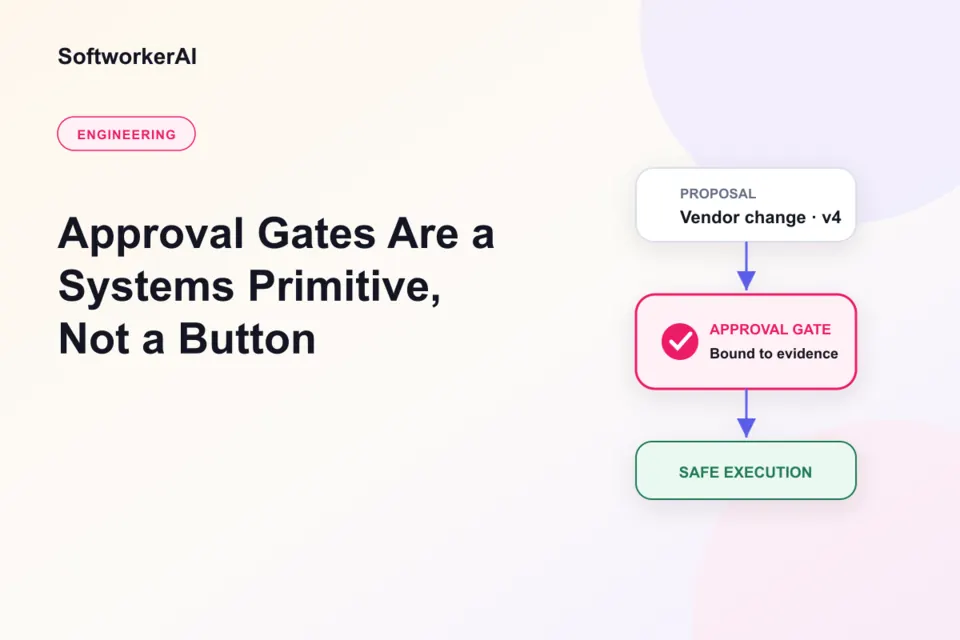
The engineering behind approval gates: suspension, evidence, expiry, revalidation, revocation, and safe continuation.
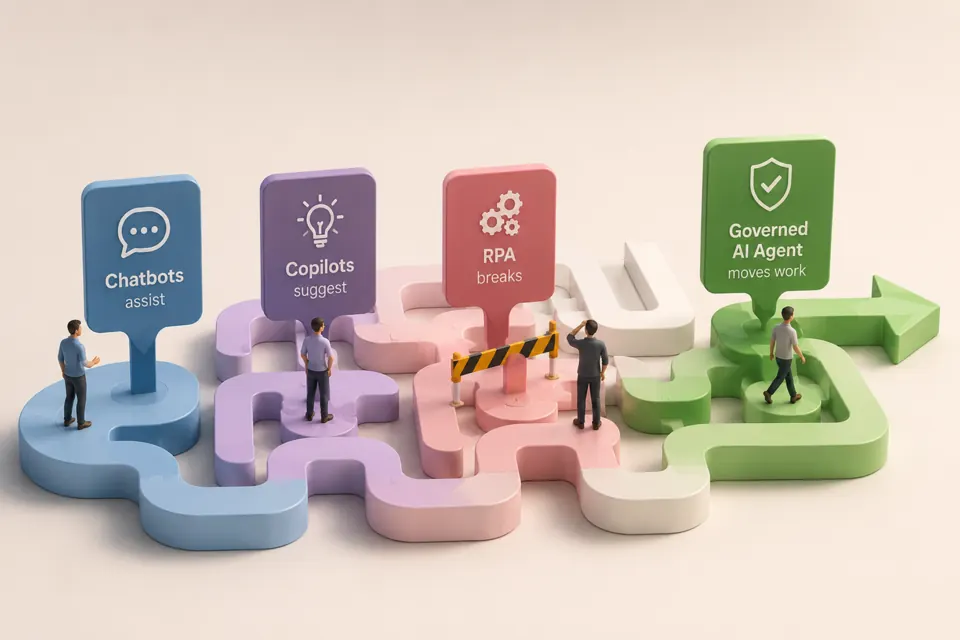
Different AI and automation categories solve different parts of the work problem. The missing category is the governed AI agent that can plan, pause, execute, and produce evidence.
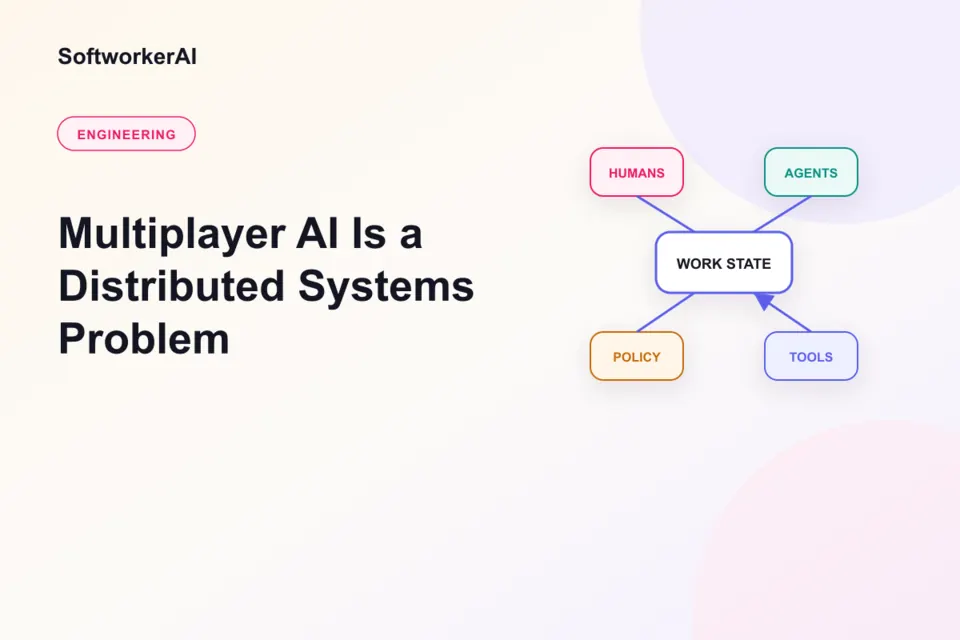
A principal architect’s guide to state, failures, retries, and consistency when humans and AI agents work together.
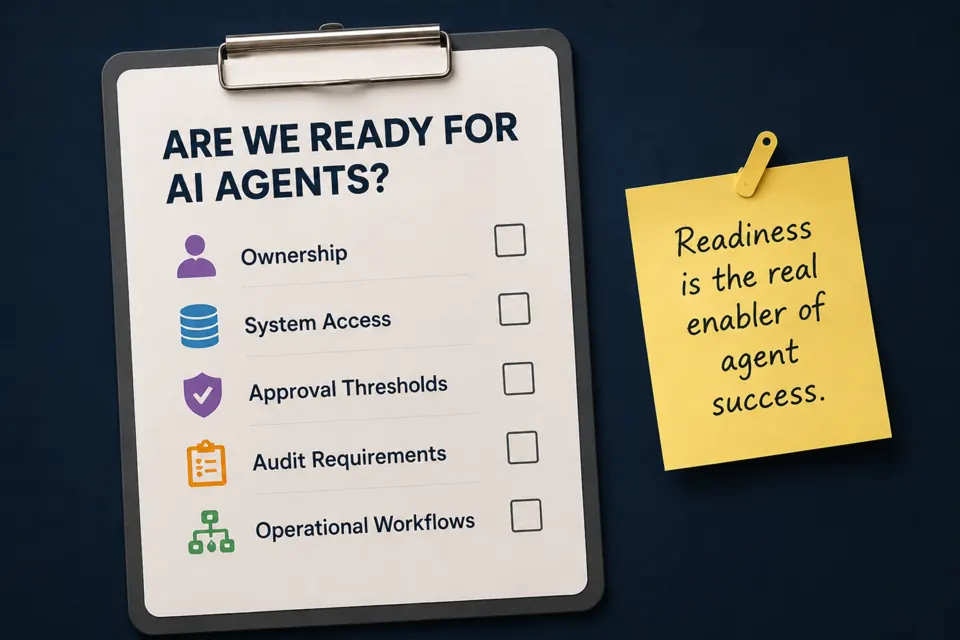
A readiness checklist for teams evaluating AI agents: start with ownership, system access, approval thresholds, audit requirements, and the operational workflows where autonomy is actually useful.